If you are looking for a Texas market where population growth, solid jobs, and family-friendly suburbs support steady rent demand, Collin County should be on your short list. As an investor, you want durable cash flow and long-term appreciation, not headlines that fade. Here you will find data-backed reasons this county works for buy-and-hold, plus the practical guardrails that help you avoid rookie mistakes. Let’s dive in.
Collin County demand drivers
Population and incomes
Collin County combines scale with speed. The U.S. Census estimates a population of about 1,254,658 as of July 1, 2024, which is a 17.7 percent jump since 2020. Owner-occupancy is roughly 64.5 percent for 2020 to 2024, a sign of stable, family-oriented housing demand. Educational attainment and incomes are high, with a median household income near $121,600 and more than half of adults holding a bachelor’s degree, which supports long-run rentability and tenant credit quality. Census QuickFacts confirms these figures.
Jobs and corporate anchors
The county benefits from multiple employment hubs in Plano, Frisco, and McKinney, and ongoing corporate investment in the northern DFW suburbs. Regional business reporting highlights continued growth across these nodes, which helps sustain housing demand near the office and mixed-use corridors. You can see this in coverage of activity around Plano’s Legacy West and Frisco’s mixed-use districts. Credaily’s brief on Collin County’s growth captures the momentum.
Toyota’s North America presence in Plano is a well-known example of a corporate anchor that draws higher-wage employment close to suburban housing. Local reporting offers a look inside the campus and its culture, underscoring why proximity matters for renters who value short commutes. For context, see Local Profile’s piece on Toyota’s Plano campus.
Labor market snapshot
The county’s employment base is large and healthy. Census data show about 528,600 jobs in 2023, and recent unemployment readings have trended in the mid-3 to low-4 percent range. A strong labor market supports rent fundamentals and reduces vacancy risk. You can review these topline indicators in Census QuickFacts.
Housing supply and rents
Inventory and permits
Scale plus growth is a theme here too. As of July 1, 2024, the county counted about 471,426 housing units. In 2024 alone, there were 18,813 building permits, indicating an active new construction pipeline that can vary by city and master-planned community. High permit volumes can be good for choice and competition, but they can also create local oversupply in certain pockets, so it pays to track permits by submarket with Census QuickFacts and municipal dashboards.
Prices and rents
The 2020 to 2024 ACS shows a county median owner-occupied value of about $475,600. Zillow’s ZHVI placed the typical Collin County home near $480,349 as of January 31, 2026. Median gross rent from the same ACS period is about $1,859 per month. Different series use different methods, so rely on the series you prefer and keep the as-of date in mind.
Simple yield example
A quick back-of-the-envelope check helps set expectations. Using ACS medians, $1,859 in monthly rent equals about $22,308 in annual gross rent. Divide that by the ACS median value of $475,600 and you get roughly a 4.7 percent gross yield before expenses. That tells you cash-on-cash may be modest without leverage, expense control, or value-add improvements, which is common in high-growth suburban markets. These medians are from Census QuickFacts.
Property types that work
Single-family rentals
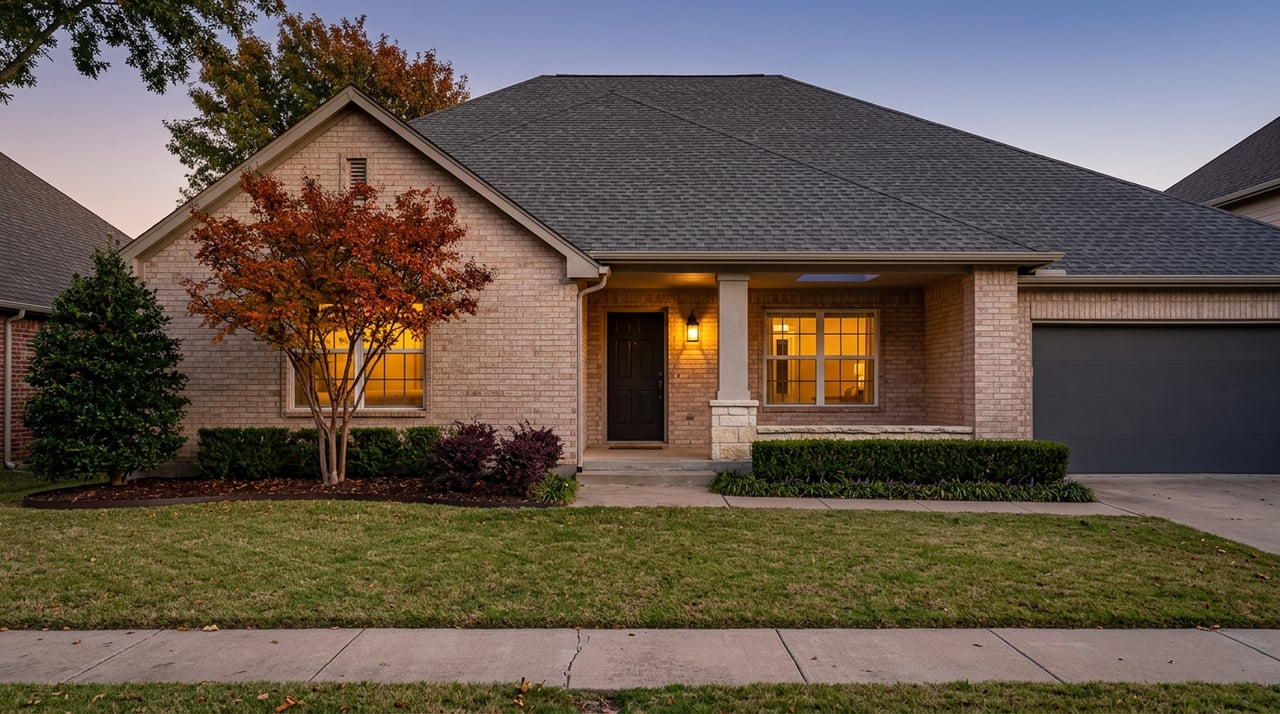
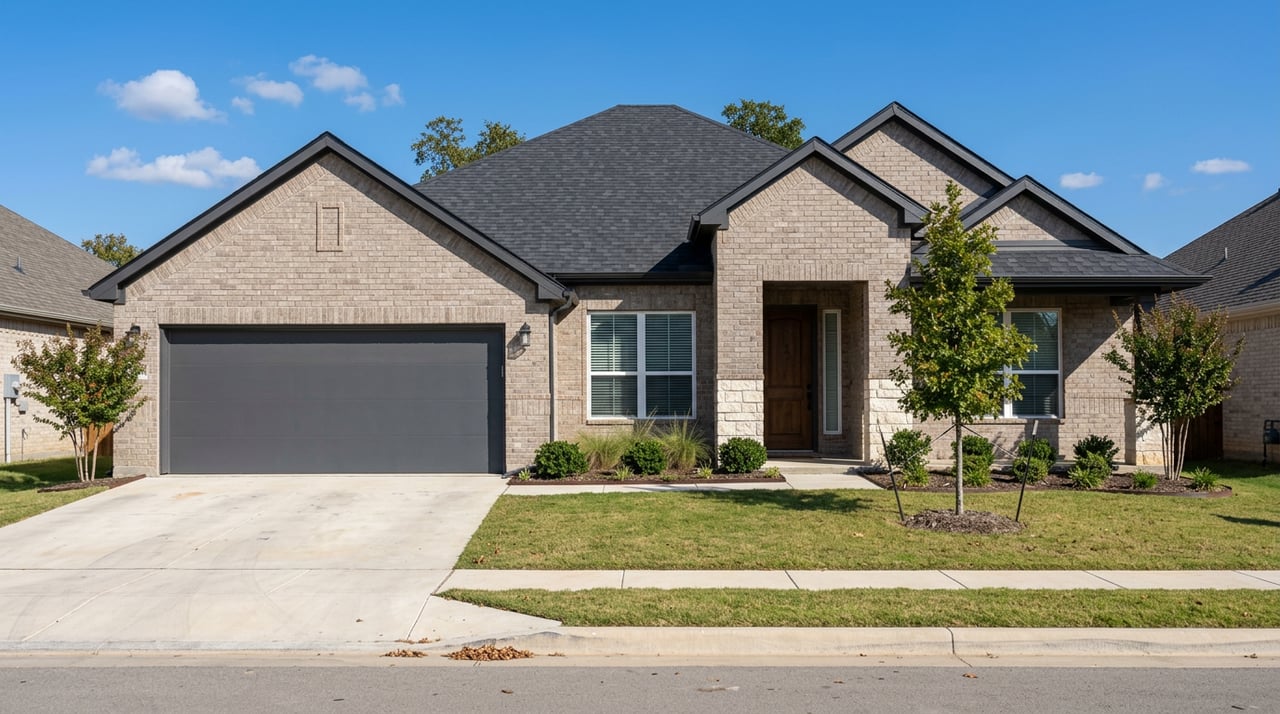
Single-family rentals fit the county’s suburban profile, serve family households, and are straightforward to manage at the unit level. Pay close attention to property taxes and HOA rules because both can materially change your net yield. The county’s owner-occupancy patterns and family demand underpin SFR rentability, as shown in Census QuickFacts.
Townhomes and small multifamily
Townhomes and 3 to 20 unit properties can perform well near job nodes and mixed-use centers where amenity access supports stronger rents. Locations around Plano’s Legacy area and Frisco’s activity centers are examples where convenience can command a premium. For a high-level view of the county’s growth engines, see Credaily’s summary.
Build-to-rent communities
Build-to-rent platforms have expanded across the Sunbelt and have a presence in high-growth suburban nodes like Collin County. The same supply pipeline that brings opportunity can also increase competition, so underwrite with conservative rent and absorption assumptions. You can track growth and permitting trends in Census QuickFacts.
Value-add small portfolios
Early 2000s tract homes and similar vintage properties often respond well to targeted upgrades, better leasing, and professional management. In many cases, you can buy at a better basis than new construction, create rental upside with improvements, and hold through the next cycle. Local comps and neighborhood-level trends will guide which pockets make the most sense.
Taxes and rules that impact returns
Property taxes and MUD assessments
Texas property taxes are a major line item and vary by city, school district, and special districts like MUDs. The Collin Central Appraisal District offers parcel lookups, valuations, and tax transparency tools so you can model taxes at the property level before you offer. Start with Collin CAD to confirm the exact jurisdictions and adopted rates.
Analyses of effective rates show wide variation across the county. Some sources estimate county medians in the 1.3 to 1.9 percent range, with localized pockets above 2 percent depending on methodology. This variance can move your net yield significantly, so model city by city and verify with parcel data. For trend context, review Ownwell’s county tax trends.
HOAs and deed restrictions
Many neighborhoods are HOA governed. Leasing caps, minimum lease terms, and special assessments can all affect operations and exit flexibility. Always obtain and review HOA documents early in underwriting.
Policy context in Texas
Texas is often described as more favorable to landlords than many states, and local governments have limited authority to enact rent control. Processes can still change, so monitor city-level rules and consult counsel on legal questions. For a policy overview, see JD Supra’s summary of state and local measures.
Risks to watch
- Supply risk. High permit activity and fast-growing master-planned communities can create local oversupply and pressure on rents or prices. Keep an eye on permit counts and large project announcements with Census QuickFacts and city dashboards.
- Interest rate risk. Higher rates compress cash flow and reduce buyer pools. Model stress scenarios that assume slower appreciation and higher capital expenditures.
- Property tax escalation. Rapid increases in assessed value or adopted tax rates can turn a good pro forma into a thin deal. Use Collin CAD and tax transparency tools to test your assumptions.
- Market timing. Regional reporting shows periods of county-level price softening in late 2025 and early 2026, which supports conservative underwriting and patience on acquisition. For context, see HousingWire’s county snapshot.
How to choose submarkets
- Anchor to jobs. Favor areas with access to Plano’s Legacy West corridor, Frisco’s corporate and entertainment districts, and McKinney’s expanding employment base. These nodes are highlighted in Credaily’s regional growth coverage.
- Commute and amenities. Proximity to major corridors and community amenities supports rentability for busy professionals and families.
- Age and condition. Early 2000s product can offer value-add potential with modern finishes, energy updates, and better leasing.
- Pipeline awareness. High-permit pockets may face short-term competition, so underwrite absorption and be selective on price.
- HOA terms. Confirm leasing rules and assessments that can limit short-term or cap total rentals.
- Yield discipline. Target a margin of safety after modeling taxes, insurance, maintenance, and realistic vacancy.
For context on community growth and family-oriented amenities that shape renter preferences, you can review Frisco Chamber’s overview of the city.
Investor underwriting checklist
- Validate rent levels. Use current listings and recent leases for your specific property type and bedroom count. Keep ACS medians as a high-level guide only.
- Model taxes first. Pull the parcel in Collin CAD, confirm every taxing jurisdiction, and run the adopted rates through your pro forma.
- Stress test financing. Check multiple interest rate and amortization scenarios, and include realistic maintenance and capital reserves.
- Track permits and supply. Review county building permit trends in Census QuickFacts and your target city’s permit dashboards.
- Confirm HOA rules. Get the recorded CC&Rs and any leasing addenda before you go firm.
- Map job access. Prioritize locations with simple commutes to major employment nodes highlighted in Credaily’s coverage.
- Plan the exit. Set clear hold criteria, refinance targets, or 1031 timing so you are not forced to sell in a soft patch.
Ready to buy with clarity and speed in Collin County? If you want data-backed guidance, virtual walkthroughs for faster screening, and investor services that include 1031 exchange facilitation, connect with Andrew Bradshaw. You will get local expertise across Plano, Frisco, McKinney, Allen, and neighboring suburbs, plus a process that respects your time.
FAQs
Why is Collin County attractive for long-term buy-and-hold investors?
- Strong population growth, high incomes, and multiple job hubs support stable rent demand and long-run appreciation potential, as shown in Census QuickFacts and Credaily’s regional coverage.
How do property taxes in Collin County affect rental cash flow?
- Effective tax rates vary widely by city, school district, and MUDs, so model taxes at the parcel level using Collin CAD and review county trends with Ownwell.
What is a reasonable gross yield benchmark for Collin County rentals?
- Using ACS medians, the simple gross yield pencils to roughly 4.7 percent before expenses, based on $1,859 median rent and $475,600 median owner value from Census QuickFacts.
Which property types rent well in Collin County’s suburbs?
- Single-family rentals, townhomes, and small multifamily near job nodes and mixed-use corridors often rent well due to convenience and lifestyle factors highlighted in Credaily’s report.
What supply risks should I watch in fast-growing Collin County cities?
- High building-permit volumes and master-planned projects can create local oversupply, so monitor permits in Census QuickFacts and city dashboards before bidding.
Is Texas policy generally supportive of landlords compared with other states?
- Texas is commonly described as more favorable to landlords and limits local rent control, but you should still track city rules and consult counsel; see JD Supra’s overview.