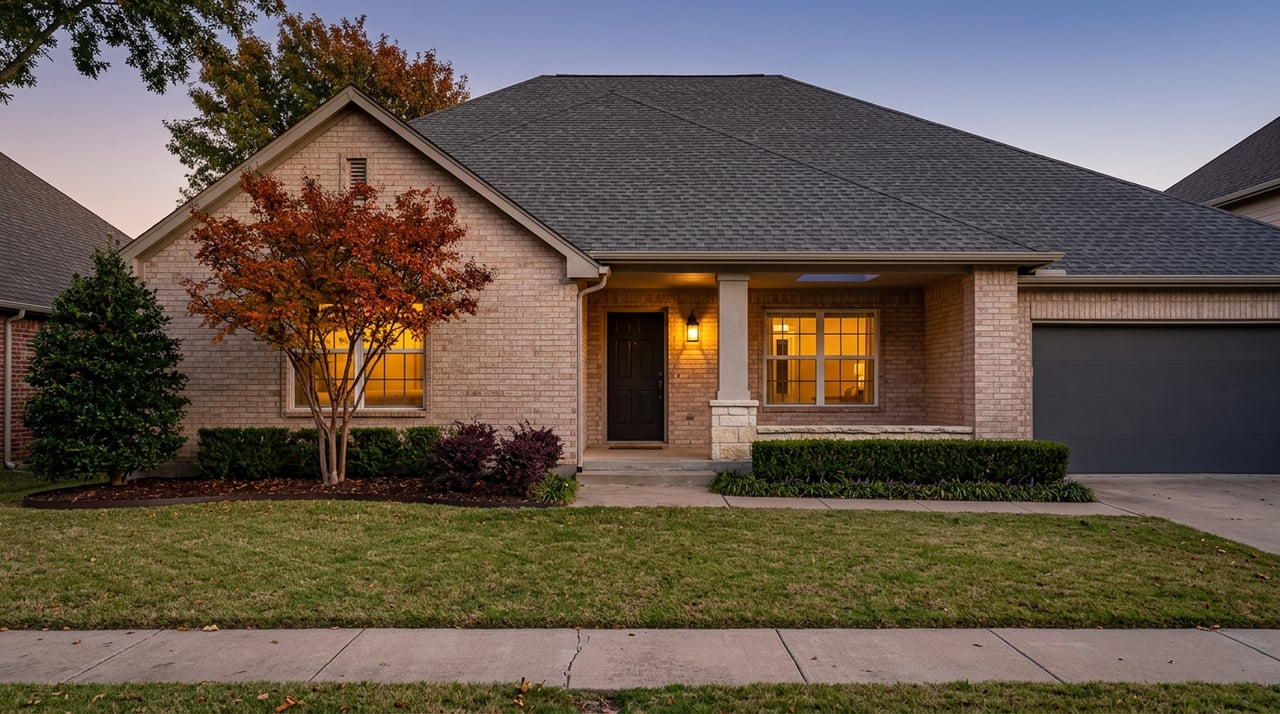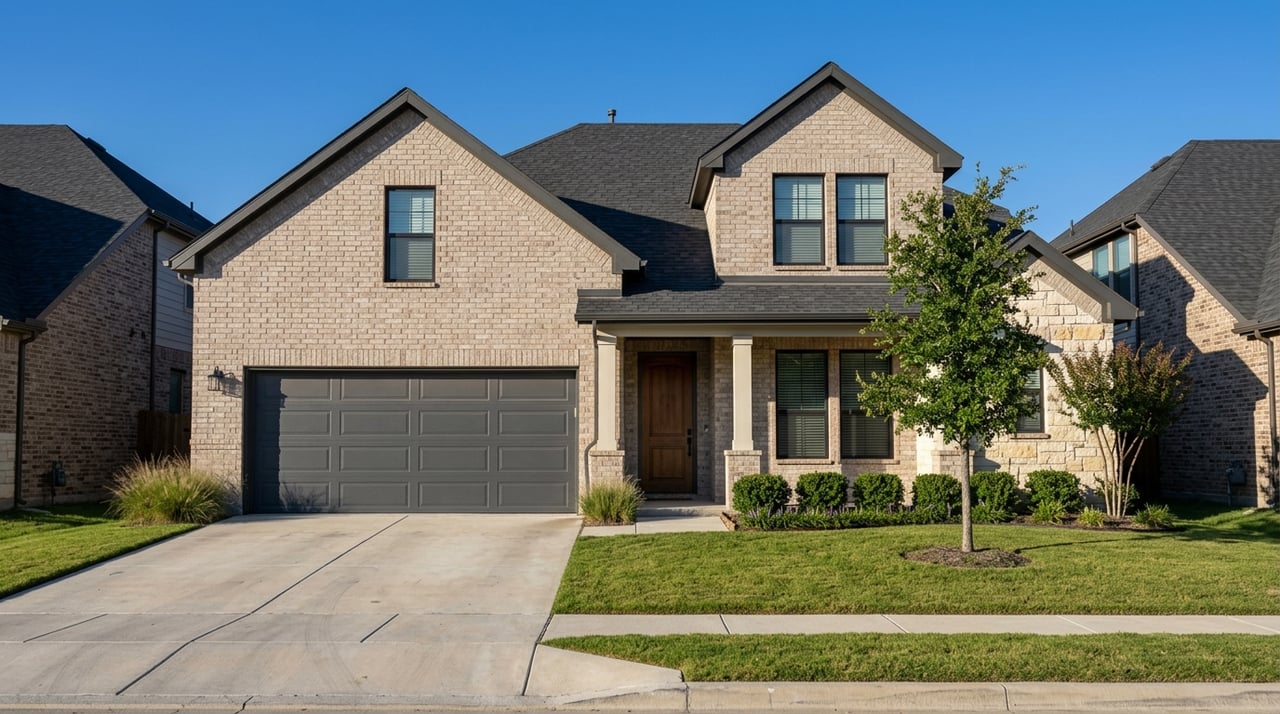
Trying to buy and sell a home at the same time in Allen can feel like trying to land two planes on one runway. You want to move without carrying two house payments, scrambling for temporary housing, or missing out on the right next home. The good news is that with the right timing, contract structure, and local plan, you can reduce the risk and stay in control. Let’s dive in.
Why timing matters in Allen
Allen is still an active market, but it is not a market where you should count on perfect timing. Census estimates put Allen at 113,447 residents as of July 1, 2025, which helps explain why housing activity remains steady as the city grows.
Recent housing data also show why planning matters. Zillow reported an average home value of $502,170, 341 homes for sale, and a median 23 days to pending as of April 30, 2026, while Redfin’s three-month view ending April 2026 showed a median sale price of $475,744 and about 50 days on market on average. Those numbers differ because they track different metrics and timeframes, but they point to the same reality: your home may move quickly, but you still need a backup plan.
Sell first or buy first?
For most homeowners, selling first is the safer default. The Consumer Financial Protection Bureau says homeowners normally try to sell before buying another home, which can help you avoid carrying two homes at once and gives you a clearer budget for your next purchase.
That said, selling first is not the only option. Depending on your equity, financing, and risk tolerance, you may be able to buy before you sell using contract contingencies, a rent-back, or short-term financing. The best path depends on how much flexibility you need and how competitive your next-home search will be.
Your main options for buying and selling together
Option 1: Sell first, then buy
This is often the cleanest route. You list your current home, secure a buyer, and then shop with a firmer understanding of your sale proceeds, monthly budget, and closing timeline.
The tradeoff is that you may need temporary housing or storage if your next purchase does not line up in time. Still, this approach usually gives you the strongest financial clarity and lowers the chance of pressure-filled decisions.
Option 2: Buy with a home-sale contingency
A home-sale contingency gives you a set period to sell your current home before the new purchase closes. Freddie Mac notes that if your sale does not happen within that timeframe, the contract can be voided and your earnest money returned, based on the contract terms.
This can be a smart tool if you want to secure your next home without fully risking two closings at once. The challenge is that some sellers may prefer an offer without that extra condition, especially if they have multiple options.
Option 3: Use a home-close buffer
A home-close contingency is different from a home-sale contingency. It can help when your current home is already under contract and you mainly need the closing to happen before your purchase moves forward.
This structure can reduce uncertainty when the sale is progressing, but funds are not in hand yet. It is often useful when the sequence is close, but not perfectly aligned.
Option 4: Negotiate a rent-back
A rent-back lets you sell your current home but remain in it for a short period after closing. This can create breathing room while you complete the purchase of your next home and avoid moving twice.
The National Association of Realtors notes that rent-back terms should clearly spell out compensation and the final move-out date. That clarity matters because once you close, the timeline becomes very real and very firm.
Option 5: Consider a bridge loan
The CFPB defines a temporary bridge loan as a short-term loan of 12 months or less that can help you buy a new home while planning to sell your current one within that period. For some homeowners, this can unlock equity and make it easier to move forward before their sale closes.
This option can be helpful, but it is not something to approach casually. You should talk with lenders early, compare terms carefully, and make sure the payment structure fits your comfort level.
Start with financing before the perfect house appears
One of the biggest mistakes you can make is waiting to talk with a lender until after you find a home you love. The CFPB advises buyers to contact multiple lenders, get preapproval, keep paperwork updated, and remember that rates can change daily.
If you are buying and selling at the same time, lender prep is even more important. Your financing strategy affects your timing, your offer strength, and whether a bridge solution or contingency is realistic for you.
Build a plan for misaligned closings
Even well-managed transactions do not always line up perfectly. That is why the smartest move is to build a buffer into your plan instead of assuming your sale and purchase will close on the exact days you want.
In practical terms, that buffer may look like:
- A rent-back after your sale closes
- Temporary housing for a short gap
- Extra time negotiated in your purchase contract
- A bridge financing conversation with your lender
- A clear backup moving and storage plan
When you treat timing gaps as likely instead of unlikely, you make better decisions and reduce stress.
Prepare your Allen home to sell faster
If you need to buy and sell together, shortening your selling timeline matters. A strong launch can help reduce the overlap between homes and give you more control over your next steps.
NAR’s 2025 buyer data show that 83% of internet-using buyers rated photos as very useful. Virtual tours at 41% and videos at 29% also ranked highly, which supports a multimedia listing strategy for Allen sellers who want to attract serious buyers quickly.
Focus on presentation first
Buyers usually see your home online before they ever schedule a showing. NAR guidance says high-resolution photos and video tours are a must, and buyers who like what they see online expect the home to match in person.
That means your home should be ready before the camera arrives. Clean spaces, simplified rooms, and a consistent presentation across photos, video, and showings can help create a stronger first impression.
Use staging to improve buyer response
Staging can also help compress your timeline. According to NAR, 83% of buyers’ agents said staging made it easier for buyers to visualize the property as a future home.
That does not always mean a full redesign. Often, strategic furniture placement, decluttering, and styling key rooms can make the home feel more open, functional, and move-in ready.
Price for the market you have
Pricing matters even more when your next move depends on your current sale. NAR seller research found that sellers most want their agent to help market the home, price it competitively, and sell within a specific timeframe.
In Allen, where current data show movement but not guaranteed instant sales, a realistic launch price can help you generate stronger early interest. That is often more valuable than testing the market and losing time.
Understand Texas closing logistics
Texas has a few practical details that matter when you are juggling two transactions. The Texas Real Estate Commission says title closing is the final step of the transaction and that the title or escrow agent acts as a neutral third party.
TREC also notes that title and escrow agents are licensed by the Texas Department of Insurance. TDI says many lenders require a loan policy of title insurance, and the title company usually issues an owner’s policy unless the buyer rejects it in writing.
There is another useful point for Texas buyers and sellers. Title policy language is standardized in Texas, and policy premiums are regulated, so title companies charge the same premium, although closing and escrow fees can vary and buyers may choose any title company.
Treat move-out as a hard deadline
Freddie Mac notes that closing day is when ownership transfers, mortgages are paid off, and a final walk-through happens within 24 hours before closing. If you are selling and buying at once, that final walk-through is a major checkpoint.
Your home should be fully vacated and in the condition required by the contract before closing can safely proceed. If your moving plan is loose, your closing plan is loose too.
Do not forget your homestead update
After you move, your property tax paperwork needs attention. The Texas Comptroller says Texas has no state property tax and that property tax exemptions are locally assessed and administered.
For a new primary residence, the general residence homestead exemption requires that the home be your principal residence and that you do not claim another residence homestead exemption. The Comptroller also says school districts must provide a $140,000 residence homestead exemption on eligible homesteads.
In Collin County, a new application is required when your residence homestead changes. That means if you move from one Allen-area home to another, you should plan to update your exemption with Collin CAD after the move.
A simple plan to follow
If you want to buy and sell a home at the same time in Allen, keep the process as simple as possible:
- Talk with a lender early and update your paperwork.
- Decide whether selling first or buying first fits your risk tolerance.
- Prepare your current home for photos, video, staging, and showings.
- Price your home for the current Allen market, not last year’s market.
- Build a backup plan for closing gaps, moving dates, and temporary housing.
- Review contingency, rent-back, or bridge options before you need them.
- Track your move-out and final walk-through deadlines carefully.
- Update your homestead exemption after your primary residence changes.
The goal is not perfect timing. The goal is a plan that still works if timing is imperfect.
If you are trying to coordinate both sides of a move in Allen, the right strategy can make the process feel far more manageable. A clear pricing plan, strong marketing, realistic timelines, and smart contract terms can help you move with fewer surprises and more confidence.
When you are ready for a step-by-step plan tailored to your move, connect with Andrew Bradshaw for local guidance, responsive communication, and a process built to keep both sides of your transition on track.
FAQs
Should I sell my Allen home before buying another one?
- For many homeowners, yes. The CFPB says selling first is the normal default, but contingencies, rent-back terms, or short-term financing can make a buy-first approach possible in some situations.
What happens if my Allen closing dates do not line up?
- A rent-back, temporary housing plan, extra contract time, or bridge financing discussion can help create a buffer when your sale and purchase do not close on the same schedule.
What is a home-sale contingency in an Allen home purchase?
- It is a contract term that gives you a specific period to sell your current home before the new purchase closes, which can reduce risk if your sale timing is uncertain.
Do I need to move out before closing on my Allen home sale?
- Yes, in most cases you should treat move-out as a hard deadline because the final walk-through typically happens within 24 hours before closing and the home needs to be in contract condition.
Do I need a new homestead exemption application after moving in Collin County?
- Yes. Collin CAD says a new application is required when your residence homestead changes.
How can I help my Allen home sell faster while I shop for my next one?
- Strong pricing, high-resolution photography, video, virtual tours, and thoughtful staging can improve buyer interest and may help shorten the overlap between your sale and purchase.